
Before Tourism: The Sealing Industry of Esperance

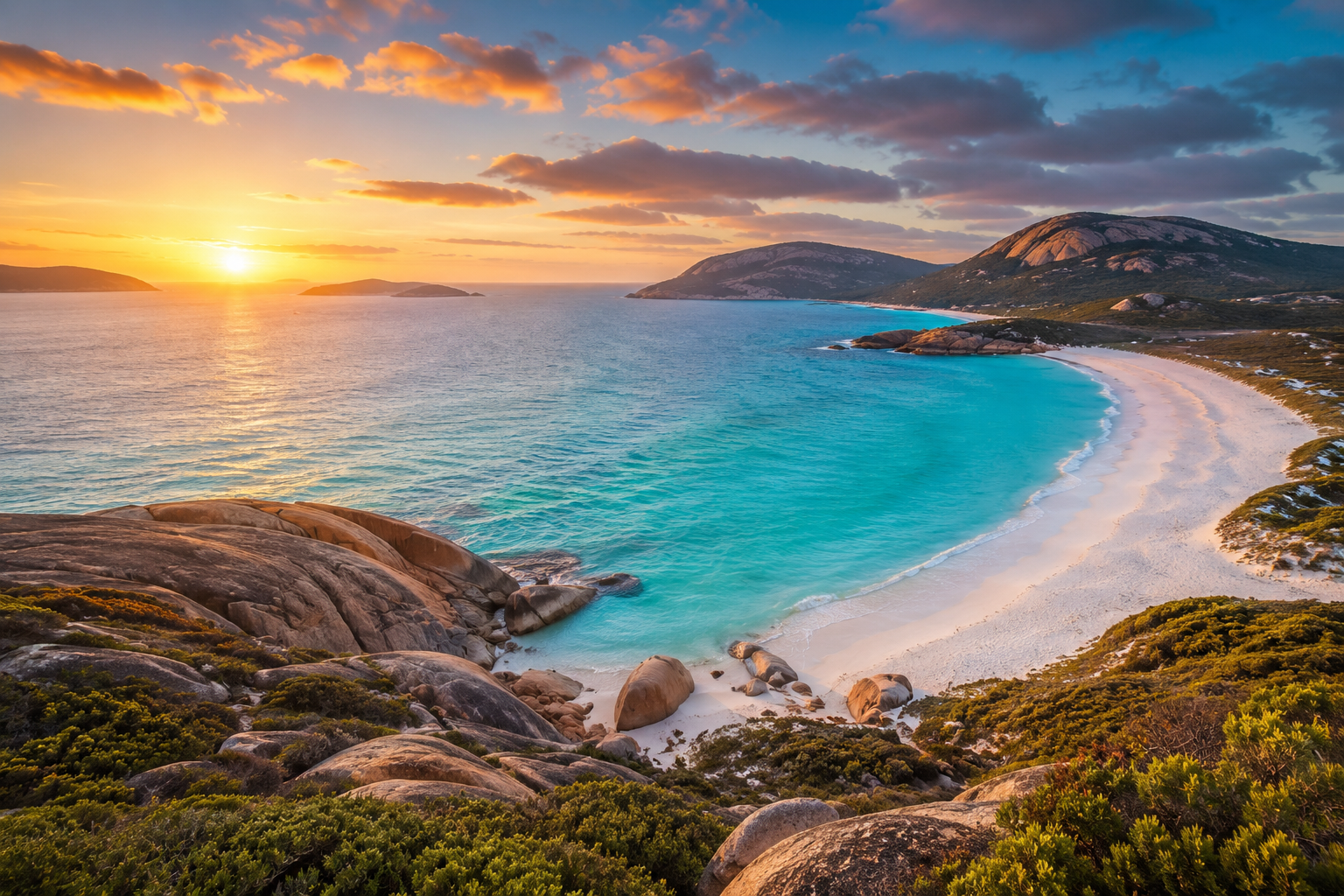
Situated along the stunning southern coastline of Western Australia lies the vibrant town of Esperance, a place where dramatic landscapes, rich history, and untold secrets converge. Surrounding the town is the Recherche Archipelago, a magical cluster of over 100 islands dappled in turquoise waters.

Visiting Middle Island today???
- The Ultimate Esperance Travel Guide: Secret Spots, Beaches, Rainy Day Ideas & Local Tips
- Lake Hillier Isn’t Pink? The Real Story Behind Esperance’s Not-So-Pink Lakes (And Why That’s Okay)
- Shark Safety in Esperance: Everything You Need to Know Before You Swim
- Lucky Bay & Beyond: A Local’s WA Travel Tales
- How I Plan My Holidays (a Year in Advance!)
While Esperance is renowned for its pristine beaches, pink lakes, and breathtaking views, this coastal paradise also harbors a fascinating tale of maritime adventure, piracy, and the rugged lives of early settlers. One name that inexorably ties itself to this captivating history is Black Jack Anderson—Australia’s infamous pirate. Dive into this thrilling narrative as we uncover the hidden gems of Esperance and its intriguing past.
The Recherche Archipelago: A Pristine Paradise with a Mysterious Aura
The Recherche Archipelago, known to locals simply as “The Bay of Isles,” sprawls across 230 kilometers off Esperance’s pristine coastline. These islands are a secluded haven, home to unique wildlife, rugged terrain, and crystalline waters glaring with tantalizing beauty. Middle Island, the largest of this remote chain, holds one of Esperance’s most intriguing secrets: Lake Hillier. Famous for its bubblegum pink hue, this otherworldly lake draws travelers with its surreal beauty, a stark contrast against the blue waters of the Southern Ocean.
But Middle Island isn’t just a feast for the eyes; it is also the historic lair of a man who embodied the lawlessness and freedom of frontier life—Black Jack Anderson.
Black Jack Anderson: Australia’s Rogue Pirate
In the early 19th century, as colonists expanded their foothold across Australia, the southern waters became a hub of sealing and whaling. These were lucrative industries, integral to fueling the global demand for oil, fur, and other commodities. However, life in these wild waters was harsh, and men sought to survive by any means necessary, even piracy. Enter Black Jack Anderson, a figure who would become legendary in this remote corner of the world.

A sketch of Black Jack Anderson which appeared in the Perth Gazette in 1842 (regenerated for story telling purposes)
Hailing from the West Indies, Anderson was a tall, commanding man of African heritage. He arrived in Australia as a sailor but soon became notorious for his turn to piracy. Taking residence on Middle Island in the 1820s, Anderson and his crew terrorized the Southern Ocean, looting sealing ships, killing competitors, and even accusing settlers of encroaching on “his” territory. An enigmatic and brutal figure, Anderson became an outlaw whose actions were a mix of cunning and savagery, cementing his name as Australia’s only known pirate.
Middle Island became Anderson’s stronghold, where he stored his treasure and plotted his mischievous escapades. It’s even rumored that some of his ill-gotten gains remain hidden on the island, tantalizing modern treasure hunters with dreams of discovery.
Sealing in the 1800s: A Harsh but Profitable Trade
“Explore the history of the Esperance Archipelago”
To understand Anderson’s rise as a pirate, one must also look to the sealing industry of the 1800s, which was central to life in this region. The abundance of seals in the waters around the Archipelago drew countless men seeking quick profits. Seal oil was a highly sought-after commodity used for lighting and lubrication, while seal skins were prized in fashion markets.

Yet this trade came at a heavy ecological and human cost. Sealing camps were brutal and isolated, staffed largely by men who lived off meager rations and battled extreme weather. The slaughter of seals, often in unsustainable numbers, posed a significant threat to the marine ecosystem. By the late 19th century, overhunting caused seal populations to plummet, ultimately leading to the industry’s decline.
For Anderson, however, sealing served as the perfect cover for his piracy. With sealing ships holding valuable goods, he targeted vessels unprepared for his ruthless attacks. Some stories claim he even enslaved local Indigenous people and sealing crews, forcing them to work under threat of violence.
The Settlers and King Sound’s Role in the Story
While Anderson and his escapades in Esperance stand out in maritime history, his tale is just one thread in the broader tapestry of Australia’s settler era. By the early 1800s, settlers and explorers arrived in Western Australia, eager to take possession of its lands and resources. This marked a period of immense friction with the region’s Indigenous peoples, whose deep connection to the land was often dismissed by colonizers.
Esperance and the surrounding regions were no exception to this complex history. The beauty of the Recherche Archipelago is tempered by the realities of its past—the struggles of sealing crews, the legacy of piracy, and the dispossession of Indigenous peoples who called this area home long before settlers arrived.
Uncovering Modern Esperance: Adventure and Reflection
Today, Esperance offers a blend of natural beauty and historical intrigue for the adventurous at heart. Visitors can explore Middle Island and learn about Black Jack Anderson’s notorious legacy. Kayak through the calm bays of the Recherche Archipelago, scan the rocky coves for signs of past sealing camps, or even dive deeper into Anderson’s story by engaging with local historians.
For those curious about Anderson’s fabled treasure, the rugged terrain of Middle Island may tempt you. While there’s no evidence to confirm the existence of his hidden hoard, the lore only adds to the island’s wild allure. Alternatively, immerse yourself in the area’s ecological riches, such as spotting rare bird species, playful seals, and the striking pink panorama of Lake Hillier.
Esperance is also a portal for understanding the region’s Indigenous heritage. By connecting with local Noongar guides, visitors can learn about Dreamtime stories and the cultural

Leave a Reply